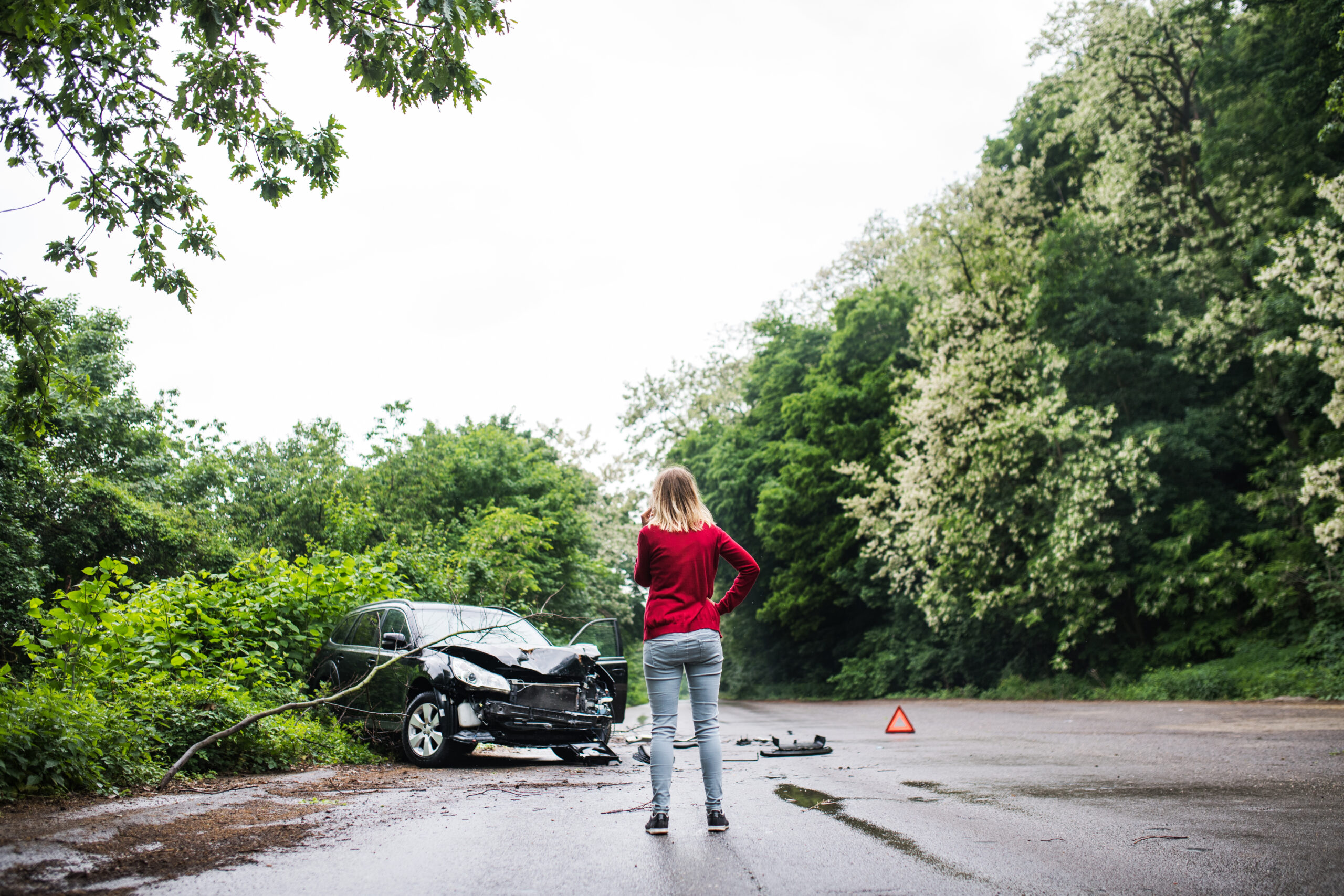
When fall arrives and the first rains hit, one quiet hazard becomes surprisingly common: wet leaves on roads. They look harmless, even scenic, but once soaked and compacted under tires, they can be just as slippery as ice. Understanding how wet leaves affect traction is one of the most overlooked fall safety essentials for drivers.
The Hidden Danger Beneath Your Wheels
When leaves collect on the road and absorb rain or morning dew, they break down into a slick, pulpy layer that dramatically reduces traction. It’s not just a nuisance, it changes how your tires grip the road.
Braking distances increase. Turning becomes less responsive. And because wet leaves often gather near curbs, bends, and intersections, they tend to interfere with the exact moments when control matters most.
The physics are simple. Tires rely on friction. Wet organic matter, especially when compacted by traffic, reduces that friction sharply. Even at low speeds, drivers can slide through stop signs or lose control during gentle turns.
Where Claims Spike And Why Some States Are Hit Harder
In regions with heavy tree coverage, frequent rainfall, and winding roads (states like Pennsylvania, Oregon, North Carolina, and upstate New York) the risk is higher.
Local claims data often shows a noticeable increase in minor collisions and off-road incidents during October and November, well before winter weather sets in.
While many drivers brace for snow and ice, it’s often wet leaves on roads that trigger the first wave of fall collision claims.
A Smart Time to Revisit Collision Coverage
If your current auto policy is light on collision coverage, or if you haven’t reviewed your deductible in a while, fall is a smart moment to check.
Leaf-related crashes are often considered at-fault when no other vehicle is involved. That means repair costs fall to you unless your policy includes adequate protection.
Drivers with liability-only coverage, especially those with older or paid-off vehicles, may want to reassess whether their coverage still fits daily driving needs.
A quick review can help clarify what’s covered and what isn’t: https://quotescouts.com/review-your-auto-insurance-policy/
And if your driving routine has shifted recently, this guide explains when updates are worth considering: https://quotescouts.com/when-to-update-car-insurance/
Final Thought
Fall roads may look calm and beautiful, but slick patches of wet leaves can turn a routine drive into a slide without warning.
Staying alert, slowing down in shaded areas, and knowing how your coverage applies can help keep fall driving predictable instead of stressful.
Because enjoying the season shouldn’t mean worrying about what’s hiding beneath your tires.