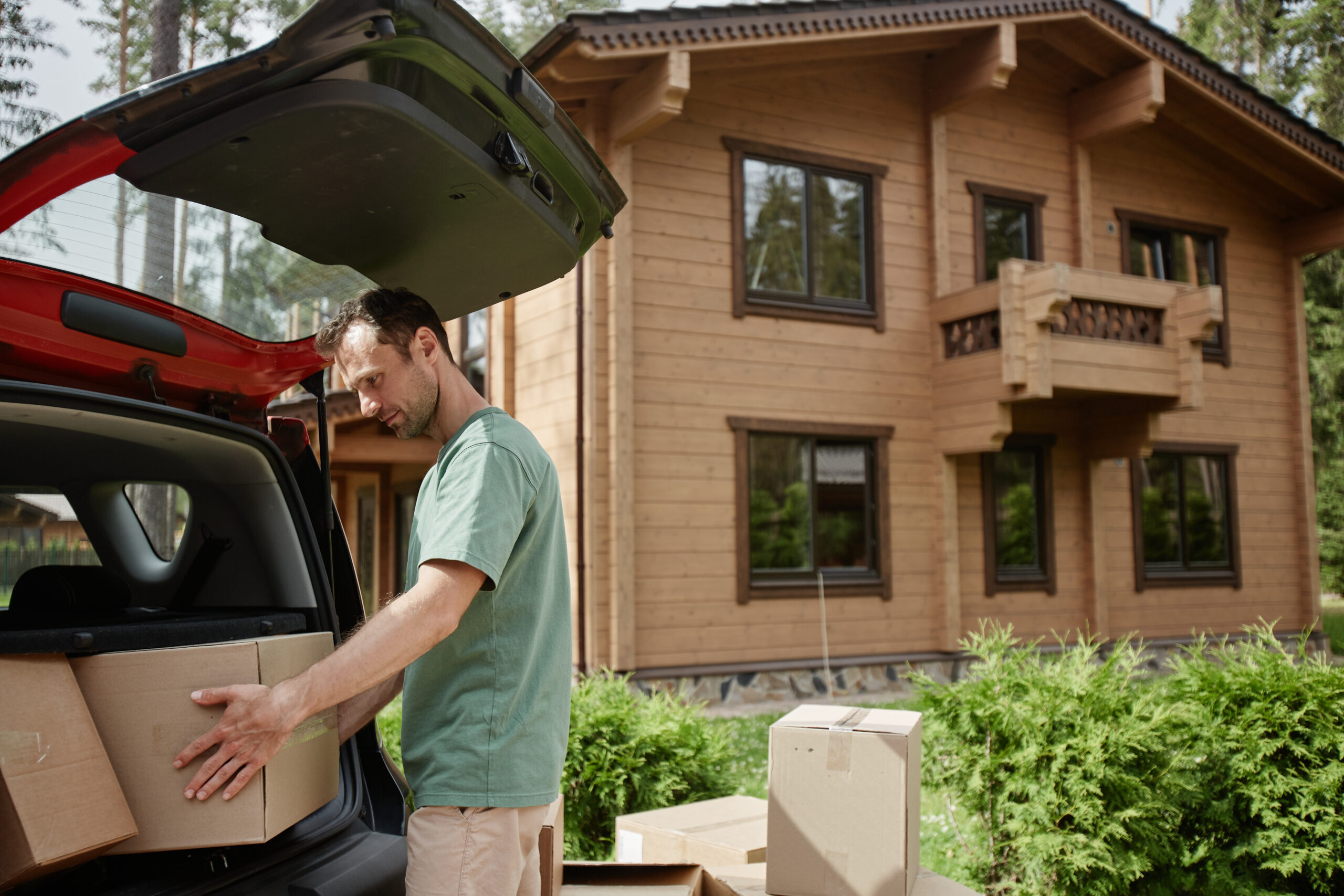
Moving to a new home brings many changes, but one cost often surprises drivers the most: car insurance. Car insurance rates by ZIP code can vary dramatically, even within the same city. A simple address change can raise or lower your premium almost immediately, sometimes without any change in driving behavior.
This article explains why insurers price coverage by location, how your new ZIP code affects risk calculations, and what steps you can take to control insurance costs after a move.
Why ZIP Code Matters for Car Insurance
Insurance companies rely heavily on geographic data to predict claim frequency and severity. Your ZIP code helps insurers estimate exposure to risks such as traffic density, theft and vandalism rates, weather-related damage, and overall accident frequency in your area.
Because these factors vary widely by location, car insurance rates by ZIP code can differ significantly between neighborhoods that are only a few miles apart. Insurers view location as a core risk signal, not a minor detail.
What Changes When You Move
When you update your address, insurers reassess the risk profile associated with your new location. Even if your vehicle, driving habits, and coverage remain the same, geographic factors alone can shift your premium higher or lower.
Urban areas often carry higher premiums due to congestion, higher claim frequency, and increased theft risk. Suburban or rural areas may be priced lower if accident and claim data show reduced exposure.
Can Rates Increase After Moving?
Yes. Many drivers are surprised to learn that moving can increase insurance costs, especially when relocating to densely populated areas. Moving from a low-traffic suburb to a busy city neighborhood often results in higher premiums due to increased exposure to accidents and theft.
However, the opposite can also be true. Moving to a safer or less congested area can lower car insurance rates by ZIP code, particularly if claims and theft statistics are lower in the new location.
When Should You Update Your Address?
You should update your address as soon as you move. Driving with an incorrect address on file can cause issues during a claim and may even lead to coverage disputes. Insurers require accurate location data to price policies correctly, and failing to update your address may violate policy terms.
Updating your address promptly ensures your coverage remains valid and properly rated.
How to Reduce Insurance Costs After a Move
After relocating, it is important to review your policy carefully. Ask whether changes such as garage parking, reduced mileage, or new local discounts apply to your situation. Even small adjustments can shift your risk profile and improve pricing.
A move is also an ideal time to compare quotes. Because insurers weigh ZIP code risk differently, switching providers after a move can sometimes result in immediate savings.
Does ZIP Code Matter More Than Driving History?
ZIP code plays a major role in pricing, but it does not override driving behavior. A clean driving record still has a significant influence on premiums. However, two drivers with identical records can pay very different rates simply because they live in different ZIP codes.
Understanding how car insurance rates by ZIP code work helps explain these differences and gives you more control after a move.
Staying Proactive After Relocation
Any move should trigger an insurance review. Updating your address, confirming discounts, and comparing quotes ensures your policy reflects your new reality.
Drivers who proactively manage their coverage after moving are far less likely to face unexpected premium increases tied to car insurance rates by ZIP code.
Stay informed and protected. Explore the articles below!
➜ https://quotescouts.com/insurance-agent-checklist/
➜ https://quotescouts.com/rural-road-safety-tips/