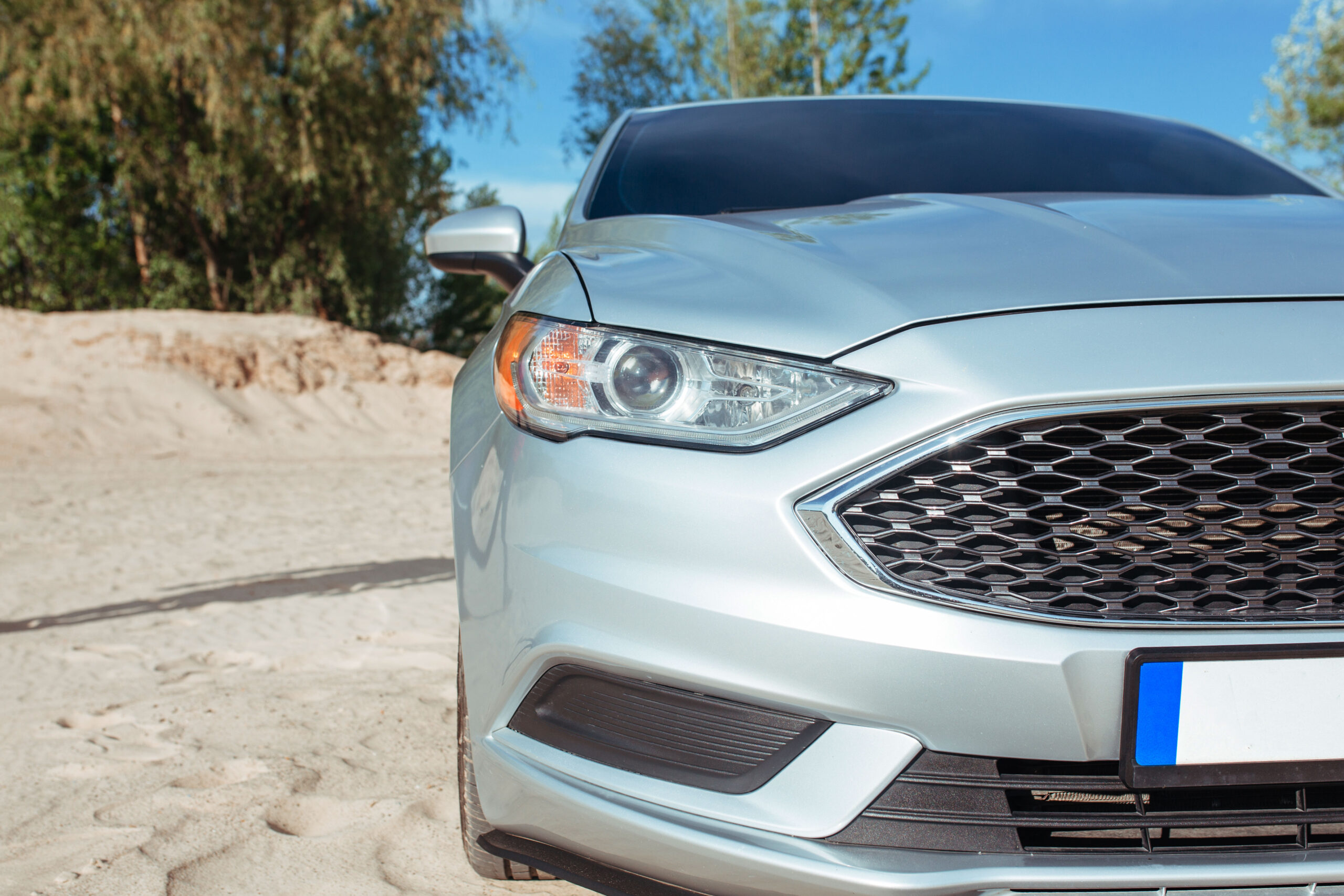
Many drivers focus on age or driving history when trying to lower insurance premiums, but one major factor is often overlooked: the vehicle itself. Vehicle features discounts reward cars equipped with technology that reduces accidents, injuries, or theft. If your car includes qualifying features, you may already be eligible for savings you are not receiving.
The problem is that these discounts are not always applied automatically. Insurers may require verification or manual review. Understanding how vehicle features discounts work helps ensure your policy accurately reflects the safety and security built into your car.
What Are Vehicle Features Discounts?
Vehicle features discounts are insurance premium reductions applied when a car includes equipment that lowers the insurer’s risk exposure. These features help prevent accidents, reduce damage severity, or deter theft. When insurers expect fewer or less costly claims, they often pass part of that reduced risk back to policyholders through lower premiums.
Common qualifying categories include safety systems, driver-assistance technology, and anti-theft devices. Each feature targets a specific risk factor, and some insurers allow multiple vehicle features discounts to be applied at the same time.
Which Vehicle Features Qualify for Insurance Discounts?
Insurers typically reward features that actively prevent accidents or reduce injuries. Standard qualifying features often include airbags, anti-lock braking systems, electronic stability control, and traction control. More advanced systems such as automatic emergency braking, blind spot monitoring, lane departure warnings, and adaptive cruise control may qualify for additional savings.
Anti-theft equipment is another important category. Factory-installed alarms, immobilizers, steering wheel locks, and GPS tracking systems reduce theft risk and can trigger vehicle features discounts, especially in areas with higher vehicle theft rates.
How Much Can Vehicle Features Discounts Reduce Premiums?
The impact of vehicle features discounts varies by insurer, vehicle model, and location. Some features result in modest reductions, while others significantly improve overall pricing when combined with safe driver or bundling discounts.
The greatest value comes from stacking. A vehicle equipped with multiple safety and anti-theft features may qualify for several discounts at once, producing meaningful long-term savings without reducing coverage.
How Do Insurers Verify Vehicle Features?
Insurers usually verify vehicle features through VIN decoding or manufacturer databases. In some cases, they may request documentation such as a window sticker, purchase invoice, or installation receipt for aftermarket equipment.
Because of this, vehicle features discounts are often easiest to apply when starting a new policy or reviewing coverage before renewal. If features are not listed correctly in the system, discounts may be missed even when a car qualifies.
Factory vs Aftermarket Features
Factory-installed features are generally easier to verify and more consistently recognized by insurers. Aftermarket features may still qualify, but they often require proof of professional installation and confirmation that the device is active.
Before installing aftermarket equipment purely for insurance savings, it is important to confirm with your insurer that the feature qualifies and what documentation is required.
Long-Term Value of Vehicle Features Discounts
While vehicle features discounts may not always deliver dramatic short-term savings on their own, they play an important role in long-term cost control. Safer vehicles tend to qualify for better pricing over time, especially when paired with clean driving records and policy-level discounts.
Drivers who regularly review their vehicle’s safety and security features are far more likely to capture every available vehicle features discount and keep insurance costs lower year after year.
Stay informed and protected. Explore the articles below!
➜ https://quotescouts.com/review-your-auto-insurance-policy/