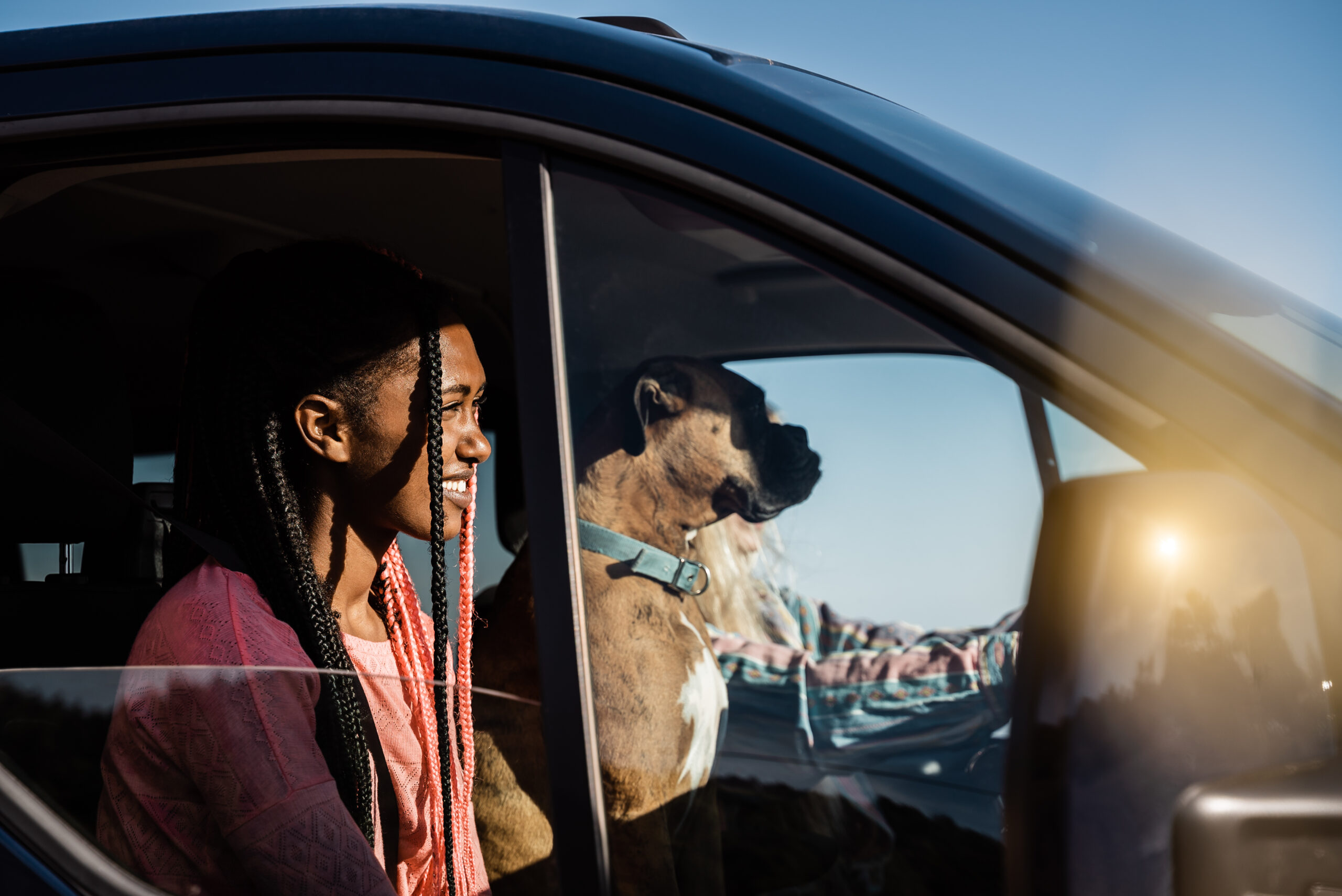
Travel should feel exciting, not stressful. But for many travelers, confusion strikes at the rental counter when they hear:
“Would you like to add rental car insurance today?”
Understanding rental car insurance coverage ahead of time helps you avoid overpaying or leaving yourself exposed. The right answer depends on what coverage you already have and how you’re traveling.
What Rental Companies Are Really Selling
When rental agencies offer “insurance,” they usually mean a mix of optional protections.
The most common is the Collision Damage Waiver (CDW) or Loss Damage Waiver (LDW). This isn’t technically insurance. It means the rental company won’t hold you financially responsible if the car is damaged or stolen. It does not cover injuries or damage to other vehicles.
Other add-ons may include:
- Liability coverage for damage or injuries you cause
- Personal accident insurance for medical costs
- Personal effects coverage for stolen belongings
These extras add up quickly, which is why many travelers hesitate at the counter.
Does Your Personal Auto Insurance Cover Rental Cars?
If you own a car and carry a standard auto policy, your coverage often extends to rental vehicles used for personal travel in the U.S.
If you have collision and comprehensive coverage, it typically applies to rentals as well. However:
- You’re still responsible for your deductible
- A claim may impact your premium
- Coverage may not apply for business rentals, specialty vehicles, or international trips
Knowing these limits ahead of time helps you decide whether the rental company’s waiver is worth it.
This guide explains why reviewing your policy before traveling matters: https://quotescouts.com/review-your-auto-insurance-policy/
How Credit Card Rental Coverage Works
Many credit cards offer rental car protection, but it’s often misunderstood.
Most cards provide secondary coverage, meaning they only pay after your personal insurance. Some premium cards offer primary coverage, allowing you to avoid filing a claim on your own policy.
Important details:
- You must pay for the rental with the card
- You must decline the rental company’s CDW
- Coverage often excludes liability and certain vehicle types
Carlos, a frequent traveler from Texas, learned this after hitting a deer in a rental. He filed through his personal insurance, only later realizing his credit card’s primary coverage could’ve saved him the deductible and premium increase.
When Rental Car Insurance Coverage Makes Sense
Paying for the rental company’s coverage may be the right move if:
- You don’t have personal auto insurance
- You’re traveling internationally
- Your credit card coverage is limited
- You want to avoid filing a claim on your own policy
It’s not about buying everything, it’s about knowing when the waiver actually adds value.
Check Before You Travel
Before your next trip:
- Review your auto insurance policy
- Check your credit card benefits
- Confirm where coverage applies and what’s excluded
If you’re unsure what questions to ask, this checklist helps clarify things fast: https://quotescouts.com/insurance-agent-checklist/
The Bottom Line
Rental car insurance coverage doesn’t have to be confusing.
When you understand what your personal policy and credit cards already provide, you can make a confident decision at the counter, without pressure or guesswork.
At QuoteScouts, we help travelers compare coverage that matches how they actually drive and travel. Not more coverage. Just the right coverage.
Because peace of mind should start before you pick up the keys.