Understanding the Impact of Daylight Saving Time on Driving
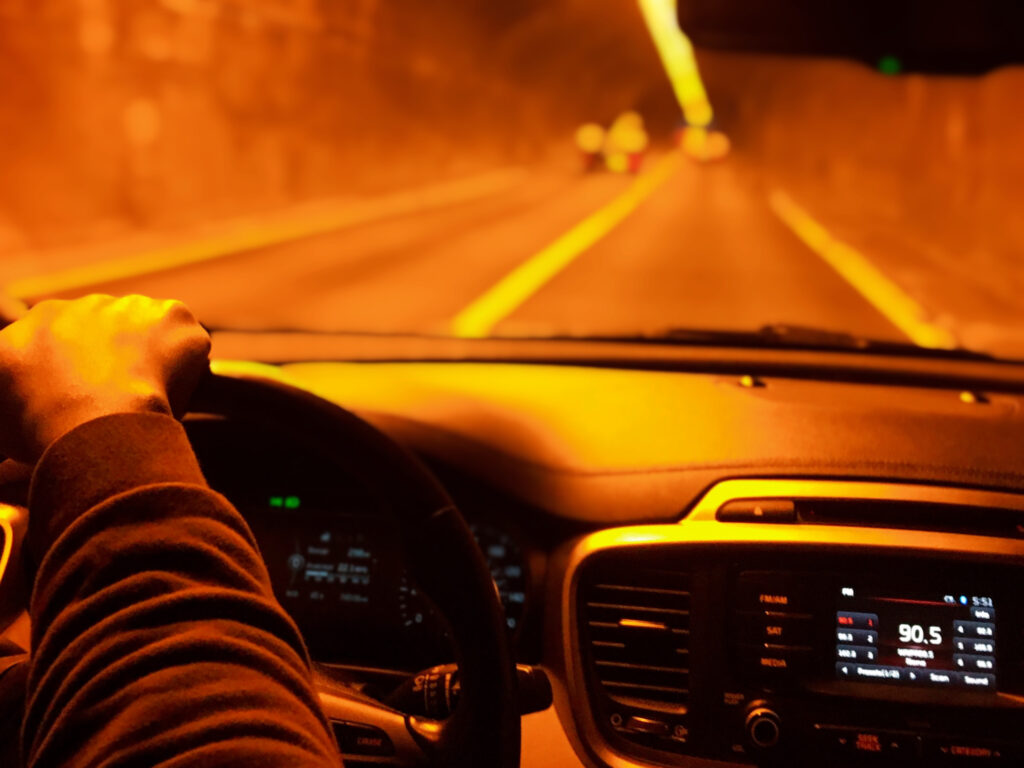
Daylight saving time can significantly alter driving conditions, especially during the transition period. As the clocks fall back, many drivers find themselves navigating home in darker conditions, which can lead to increased risks on the road.
Research has shown that the change in daylight can affect visibility and increase the likelihood of accidents. For instance, studies indicate that pedestrian fatalities rise during the weeks following the time change, highlighting the need for heightened awareness among drivers.
Essential Safety Tips for Nighttime Driving
When driving at night, especially after daylight saving time ends, it is crucial to adopt specific safety practices. Ensuring your vehicle's headlights are functioning properly and adjusting your speed to account for reduced visibility can make a significant difference.
Additional tips include keeping a safe distance from other vehicles, using high beams when appropriate, and avoiding distractions. These precautions can help mitigate the risks associated with nighttime driving, particularly during the adjustment period after the time change.
Adjusting Your Commute: Strategies for a Safer Drive
As evening commutes shift to darker conditions, drivers may need to adjust their routines to enhance safety. Planning your route to avoid poorly lit areas and allowing extra time for travel can reduce stress and improve focus on the road.
Utilizing public transportation options or carpooling with colleagues can also be effective strategies. These alternatives not only reduce the number of vehicles on the road but also provide a shared sense of security during the darker evening hours.
The Role of Technology in Enhancing Nighttime Driving Safety
Modern technology plays a pivotal role in improving safety for nighttime driving. Features such as adaptive headlights, night vision systems, and advanced driver-assistance systems (ADAS) can significantly enhance visibility and awareness.
Moreover, smartphone applications that provide real-time traffic updates and navigation can help drivers avoid hazards and plan safer routes. Embracing these technologies can empower drivers to navigate the challenges posed by darker driving conditions effectively.