Skip to content

Day: November 6, 2025

Deer Season Alert: How to Avoid Animal Collisions This Fall
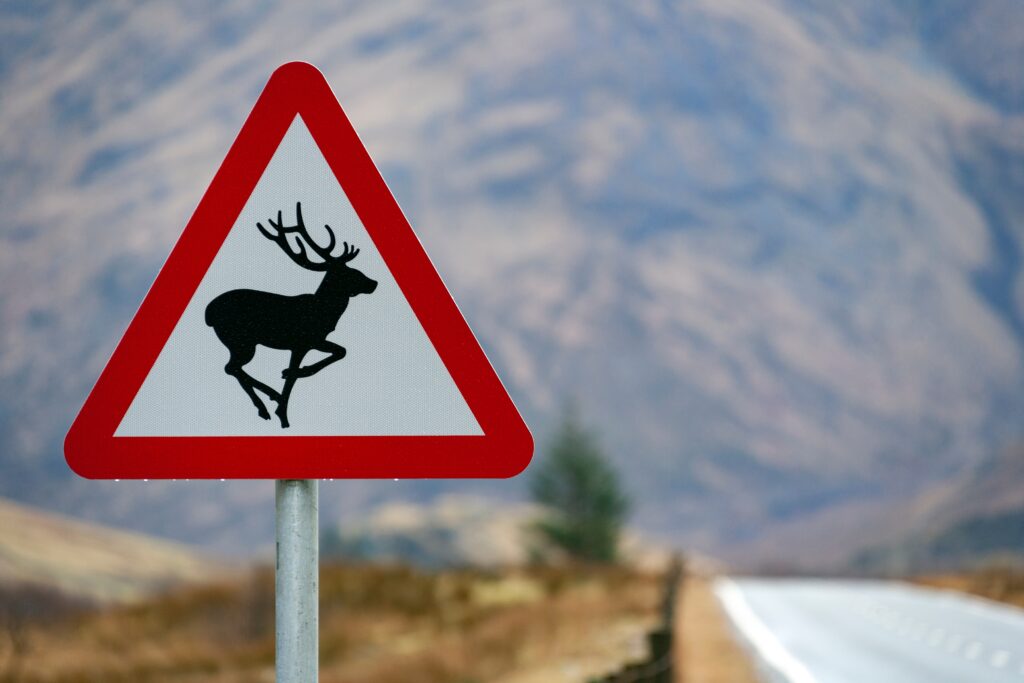
Deer warning road sign in the Scottish Highlands, emphasizing driving safety during deer season.

November might bring cozy sweaters and pumpkin spice, but it also brings something far less pleasant: deer season. And we’re not just talking about hunting. 

QuoteScouts logo with tagline "Your Guide to Smarter Coverage," emphasizing winter storm preparedness and safety information.
  • Terms of Use
  • Privacy Policy
  • Do Not Sell Info
  • Limit PI Disclosure
  • Contact Us
  • Terms of Use
  • Privacy Policy
  • Do Not Sell Info
  • Limit PI Disclosure
  • Contact Us
Copyright © 2025. Quotescouts. All Rights Reserved.
Related Pages:
  • Driving Safety Tips for Fall
  • Thanksgiving Travel Safety Tips
  • Holiday Safety Tips for Shoppers
  • Insurance Tips for Fall Safety
  • Loaning Cars and Safety Tips

Understanding Deer Behavior During Fall

During the fall, deer exhibit specific behaviors that increase the likelihood of collisions with vehicles. As mating season approaches, deer become more active and less cautious, often crossing roads unpredictably. Understanding these patterns can help drivers remain vigilant and reduce the risk of accidents.

In addition to mating behaviors, deer are also more likely to be seen near food sources such as crops and acorns. This increased activity, combined with shorter daylight hours, means that drivers should be particularly cautious during dawn and dusk when deer are most active.

Tips for Safe Driving in Deer-Heavy Areas

When driving in areas known for high deer populations, there are several proactive measures drivers can take to enhance their safety. Reducing speed, especially in marked deer crossing zones, can provide more reaction time should a deer suddenly appear on the road.

Furthermore, using high beams when there is no oncoming traffic can help illuminate the road and make deer more visible from a distance. Additionally, remaining alert and avoiding distractions while driving is crucial for spotting deer early.

What to Do in Case of a Collision

Despite best efforts, accidents can happen. Knowing how to respond in the event of a deer collision is essential for ensuring safety. If a collision occurs, it is important to stay calm, pull over to a safe location, and assess any injuries to yourself or passengers before calling for help.

After ensuring safety, drivers should contact local authorities to report the incident. It is also advisable to document the scene with photos and gather witness information, as this can be helpful for insurance claims and any legal matters that may arise.

Preventative Measures for Deer Collisions

Implementing preventative measures can significantly reduce the chances of deer collisions. One effective strategy is to install deer whistles or reflective devices on vehicles, which may deter deer from approaching roadways.

Additionally, local communities can engage in wildlife management practices, such as signage and fencing, to keep deer away from high-traffic areas. Drivers can also stay informed about local deer migration patterns and adjust their travel plans accordingly during peak seasons.

Related Pages:
  • Driving Safety Tips for Fall
  • Thanksgiving Travel Safety Tips
  • Holiday Safety Tips for Shoppers
  • Insurance Tips for Fall Safety
  • Loaning Cars and Safety Tips

Understanding Deer Behavior During Fall

During the fall, deer exhibit specific behaviors that increase the likelihood of collisions with vehicles. As mating season approaches, deer become more active and less cautious, often crossing roads unpredictably. Understanding these patterns can help drivers remain vigilant and reduce the risk of accidents.

In addition to mating behaviors, deer are also more likely to be seen near food sources such as crops and acorns. This increased activity, combined with shorter daylight hours, means that drivers should be particularly cautious during dawn and dusk when deer are most active.

Tips for Safe Driving in Deer-Heavy Areas

When driving in areas known for high deer populations, there are several proactive measures drivers can take to enhance their safety. Reducing speed, especially in marked deer crossing zones, can provide more reaction time should a deer suddenly appear on the road.

Furthermore, using high beams when there is no oncoming traffic can help illuminate the road and make deer more visible from a distance. Additionally, remaining alert and avoiding distractions while driving is crucial for spotting deer early.

What to Do in Case of a Collision

Despite best efforts, accidents can happen. Knowing how to respond in the event of a deer collision is essential for ensuring safety. If a collision occurs, it is important to stay calm, pull over to a safe location, and assess any injuries to yourself or passengers before calling for help.

After ensuring safety, drivers should contact local authorities to report the incident. It is also advisable to document the scene with photos and gather witness information, as this can be helpful for insurance claims and any legal matters that may arise.

Preventative Measures for Deer Collisions

Implementing preventative measures can significantly reduce the chances of deer collisions. One effective strategy is to install deer whistles or reflective devices on vehicles, which may deter deer from approaching roadways.

Additionally, local communities can engage in wildlife management practices, such as signage and fencing, to keep deer away from high-traffic areas. Drivers can also stay informed about local deer migration patterns and adjust their travel plans accordingly during peak seasons.