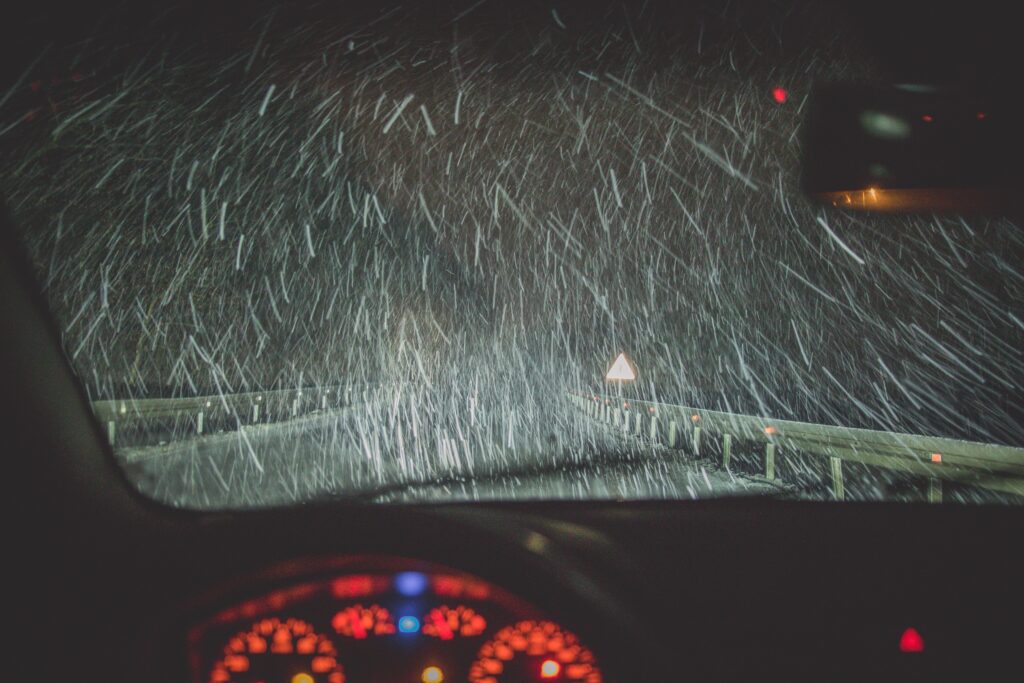
Understanding the Risks of Night Driving
Driving at night presents unique challenges that can significantly impact safety. Reduced visibility, fatigue, and the presence of impaired drivers are just a few factors that contribute to the heightened risks associated with nighttime travel.
For instance, studies show that the likelihood of accidents increases dramatically after dark, with over 40% of fatal crashes occurring at night. This is often due to decreased depth perception and the difficulty in spotting pedestrians and cyclists, making awareness and caution essential for night drivers.
Essential Night Driving Tips
To enhance safety while driving at night, there are several key practices every driver should adopt. These include ensuring that headlights are functioning properly, reducing speed, and maintaining a greater following distance from other vehicles.
In addition, using high beams in rural areas can improve visibility, but it's crucial to switch to low beams when approaching other vehicles to avoid blinding them. Staying alert and avoiding distractions, such as mobile devices, further contributes to a safer driving experience at night.
Preparing Your Vehicle for Night Driving
Proper vehicle maintenance is critical for safe night driving. Regular checks on headlights, taillights, and brake lights are essential to ensure they are bright and functional, providing maximum visibility to both the driver and other road users.
Moreover, ensuring that the windshield is clean and that wipers are in good condition can help eliminate glare from oncoming traffic. Additionally, consider keeping your vehicle's tires properly inflated and in good condition to enhance overall handling and safety during nighttime driving conditions.
Adapting to Seasonal Changes in Night Driving
Seasonal changes can significantly affect night driving conditions. For instance, autumn often brings longer nights and unpredictable weather, such as fog and rain, which can further reduce visibility and increase the risk of accidents.
During these months, it's essential for drivers to adjust their driving habits accordingly. This may include using fog lights in low visibility conditions and being extra cautious on wet or icy roads, which can lead to longer stopping distances and a higher chance of skidding.